Our Curriculum & Key Principles
At Dreamtree Day Nursery & Timbertree Neighbourhood Nursery, our curriculum reflects everything our setting is about. It is built around three key parts: what we teach (our curriculum), how we teach, and making sure our children are glowing and achieving.
These three elements work hand in hand, with our key principles woven through everything we do. Following the EYFS throughout your child’s journey, we create a happy, supportive environment where children feel confident to learn, grow, and thrive every day.
Our Key Principles
Gaining a Rich & Diverse Vocabulary

Strong Healthy Habits
A Love for Learning
Fostering a Sense of Independence
Our Curriculum Statement
Our curriculum is built on the belief that childhood should be unhurried, joyful, and full of wonder. We create a warm, nurturing environment where children learn naturally through play, exploration, and meaningful experiences.
At our setting, learning is child-centered and play-based. Teaching happens throughout the day through our environment, routines, and the caring interactions children have with adults and their friends.
We believe in slowing learning down, giving children the time and space they need to explore, practice, and build new skills with confidence. With gentle support from our staff, children develop a strong “can-do” attitude, learning to become independent, resilient, and proud of their achievements.
Every child is valued as an individual. We celebrate their unique personalities and support them to grow at their own pace, helping to build confidence, positive wellbeing, and a love of learning.
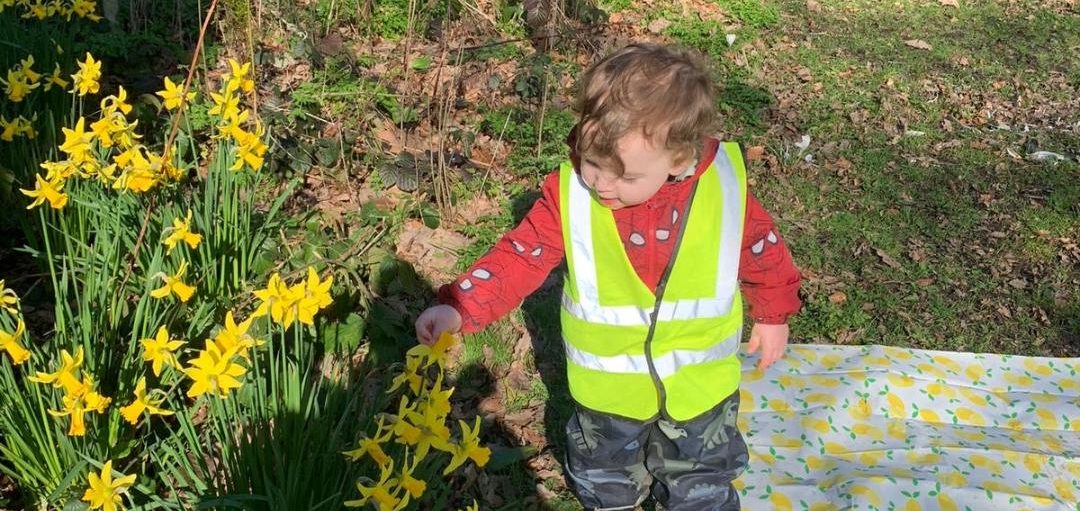
Nature is at the heart of our Wonder Curriculum. We help children develop a deep connection with the natural world by following the seasons and exploring nature together. Children enjoy real-life experiences such as growing vegetables in our garden, caring for living things, and watching amazing life cycles unfold, like caterpillars transforming into butterflies.
Through these magical moments, children develop curiosity, respect for nature, and a sense of wonder about the world around them.
Through our curriculum, we aim for children to develop a deep understanding of our four key principles:
- Fostering a sense of independence
- A love for learning
- Strong, healthy habits
- A rich and diverse vocabulary - including spoken language and alternative and augmentative communication (AAC)
Curriculum Implementation - Teaching
Our curriculum is a carefully balanced blend of child-led learning —informed by children’s interests, schemas, and learning styles—and targeted adult-led experiences and exposure to new learning through our Wonder Planning, this fully supports children’s natural development and next steps.
How Our Provision Supports Our Four Key Principles
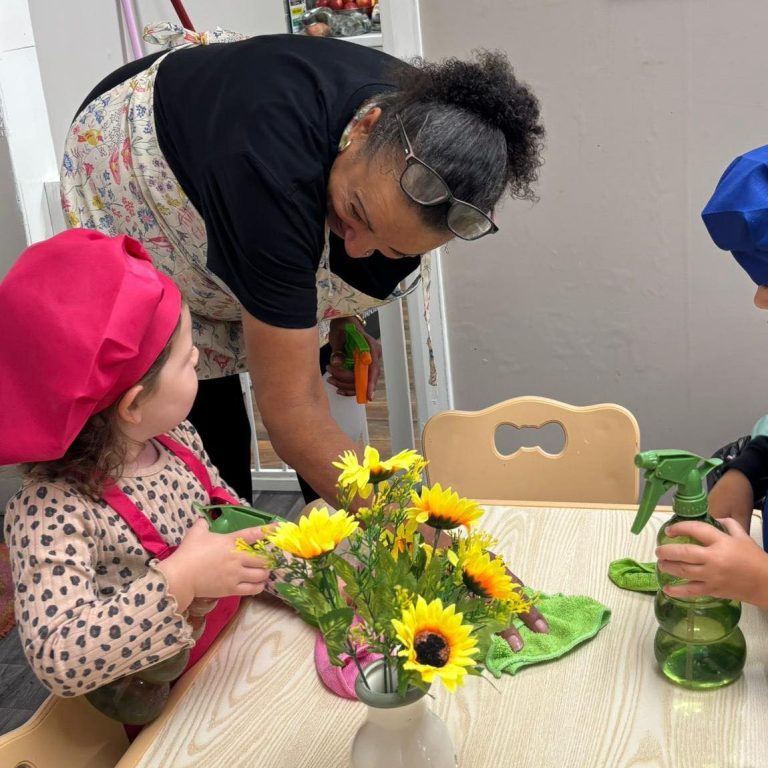
1. Fostering a Sense of Independence
Children are supported to become confident, capable learners through:
- Low-level shelving, pegs, hooks and clearly accessible resources
- Book voting stations that give children a voice
- Scrap books to further create space for children’s voice in their own learning.
- Self-serve snack and water stations
- Independent and family-style mealtimes
- Encouraging “have a go” language
- Practitioners allowing time and space for children to try, problem-solve, and succeed independently
2. A Love for Learning
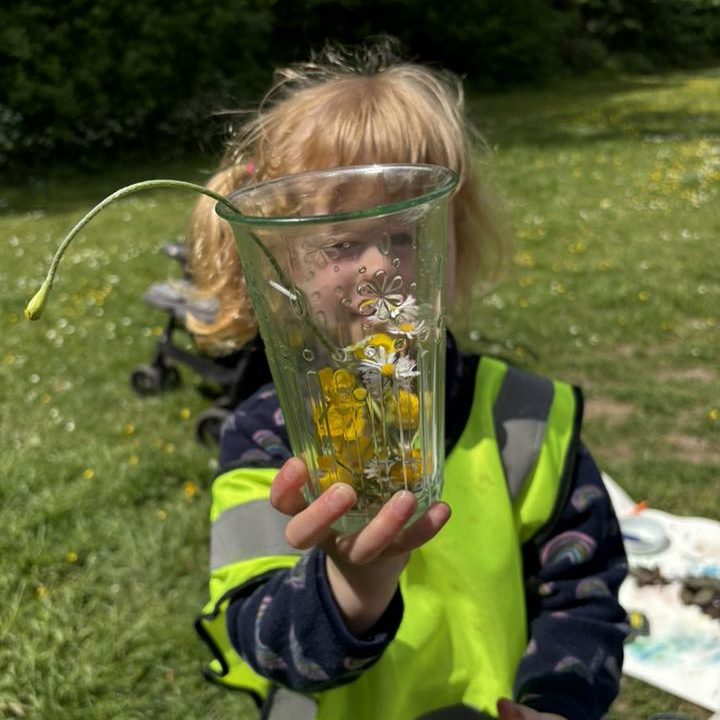
We nurture curiosity and intrinsic motivation by:
- Providing calm, low light, uncluttered learning environments using natural materials
- Planning thoughtful provocations that spark interest and curiosity through our Wonder Planning
- Following children’s interests and ideas
- Embedding children’s voices into planning and decision-making
- Allowing long, uninterrupted periods of play
- Valuing the learning process rather than the end result
- Avoiding rushing children between activities
- Using scrapbooks to revisit learning and asking children what they would like to come next.
3. Strong, Healthy Habits
Children’s wellbeing is supported through:
- Accessible water throughout the day
- Clear handwashing, tissue, and self-care stations
- Calm, spacious eating areas
- Quiet spaces and calming baskets to support regulation
- Naming and validating feelings and emotions
- Predictable routines that promote security
- Outdoor play in all weathers
- Mindful moments such as yoga and breathing exercises, active burst sessions
- Cooking, gardening, and food preparation activities
- Family-style mealtimes that support social development
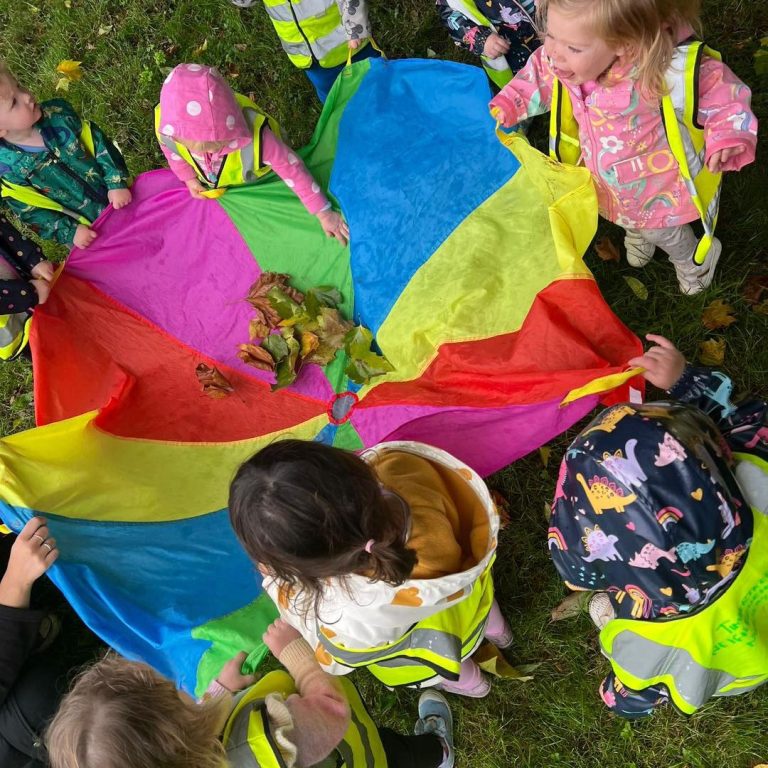
4. Gaining a Rich and Diverse Vocabulary
We support inclusive communication by:
- Providing books that reflect diversity, emotions, and real-life experiences
- Offering meaningful experiences within the local community
- Adults narrating play and modelling rich language
- Using repetition and modelling rather than correction
- Singing, rhymes, and storytelling every day
- Consistent use of Makaton and consistent visual symbols
- Pausing to allow processing time
- Valuing and validating all forms of communication
Curriculum Impact – Achievement
We measure the impact of our curriculum through:
- Strong parent partnership - Parent surveys and ongoing communication
- Termly observation and assessment data
- Room-based action (CPD) plans informed by children’s needs
- Leader action plans for changes to provision, practice, and resources based on our cohort of children and needs
- Children’s feedback gathered through conversations, choices, and behaviours
- Statutory 2-year progress checks
- Regular provision audits to ensure environments remain purposeful and effective
These measures help us ensure that our curriculum continues to meet the needs of all children and supports them to thrive.
Practitioner Expertise
Skilled practitioners are at the heart of our curriculum. On going professional development is integral to curriculum development and improvement and is shaped by the needs, interests, and development of the children.
Practitioners use their expertise to:
- Scaffold learning through responsive, meaningful interactions
- Create challenging and engaging continuous provision
- Plan purposeful adult-led sessions and provocations